Run a Monthly Internal-Link Review for AI Workflow Topic Clusters
Internal links are not just search hygiene. For a small AI workflow library, they are the operating paths that help readers move from one decision to the next without getting lost in the archive.
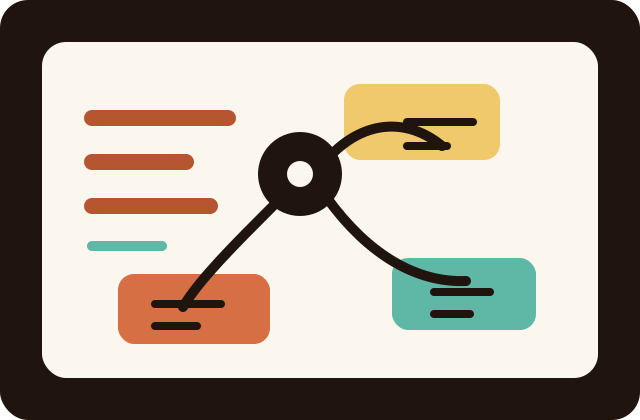
Review internal links by topic cluster instead of clicking through the whole archive.
Add links where they help the next operator decision, not just for search coverage.
Log orphan pages, stale anchors, and missing hub links in one monthly checklist.
Review the cluster before the whole site
A small blog can become hard to navigate long before it looks large. The problem is usually not the number of articles. It is that related pieces do not point to each other in a useful order. A monthly internal-link review keeps each topic cluster readable as the archive grows. Instead of opening every page, pick one cluster at a time, such as support workflows, analytics, or content systems, and ask whether a reader can move from a broad problem to the next practical step without guessing.
Start with the hub and the newest posts
Begin with the topic hub, homepage card list, and the two or three newest articles in that cluster. These pages usually shape the reader's path more than older archive pages do. Check whether the hub introduces the cluster clearly, whether the newest posts link back to the hub, and whether each new article points to one natural next read. This is enough to catch most navigation gaps without turning the review into a full site audit.
Use intent, not keyword matching
The safest internal links are based on the reader's next decision. If an article explains how to review AI-assisted content quality, the next link might lead to analytics checks or workflow audits because those help the reader decide what to improve next. Do not force links only because two titles share the same phrase. A useful link should answer a quiet question the reader is likely to have at that point in the page.
Keep one checklist for recurring link problems
The review should produce a short operational checklist. Mark pages that have no links into the cluster, pages that link only to the homepage, anchor text that overpromises, and older posts that now have a better next-step article available. Add one note for the exact fix and one owner if the site has multiple editors. The checklist matters because internal-link work gets messy when every change feels small and optional.
Promote strong paths into the publishing brief
After the review, update the article brief so future posts include the right link decisions from the start. A simple rule is enough: every new article should link to its cluster hub, one foundational post, and one practical next step when those pages exist. This keeps internal linking from becoming cleanup work. Over time, the library feels less like a dated archive and more like an operating manual that helps readers move through related decisions in a sensible sequence.